


Blacksburg serves as the primary residential and commercial hub of Montgomery County, offering a distinct blend of major university amenities and extensive outdoor recreation. Nestled within the Allegheny Mountains, the city provides a robust local culture while maintaining a relatively small geographic footprint. Buyers evaluating the area quickly realize that the local lifestyle revolves heavily around the calendar of events at Virginia Tech and the natural landscape surrounding the town.
Understanding these local amenities is a crucial step in navigating the regional housing market. Whether you are looking for a historic property near the town center or a newer build on the outskirts, proximity to specific attractions will heavily influence property values. This guide details the cultural, recreational, and commercial hubs available to residents, providing a clear picture of daily life in this part of Southwest Virginia in 2026.
Many out-of-state buyers are drawn to the region specifically for its unique balance of rural scenery and urban-level conveniences. The local real estate market reflects this demand, with property values remaining resilient due to the constant economic engine of the university. Exploring what there is to do in town is often the best way to understand which neighborhood aligns with your specific housing needs.
Exploring the Lifestyle and Amenities of Blacksburg, VA
The geographic location of Blacksburg places residents directly within the Allegheny Mountains. This positioning creates a unique dual nature for the city, operating simultaneously as a major collegiate hub and a premier destination for outdoor recreation. The local economy and daily traffic patterns reflect this balance, with university schedules heavily dictating the pace of the town.
While the city maintains its own distinct commercial districts, it also benefits from its proximity to the larger Roanoke Valley. Located approximately 40 miles away, Roanoke provides supplemental employment hubs and regional transit options that support Blacksburg residents. The easy drive down Interstate 81 makes it simple to access the Roanoke-Blacksburg Regional Airport for longer travel.
For prospective homebuyers, the true appeal of Blacksburg lies in its ability to offer world-class university amenities without the congestion of a major metropolitan area. The town manages to provide high-end dining, extensive arts programming, and major sporting events while retaining its mountain-town character. This specific lifestyle blend is exactly what keeps housing inventory moving quickly when well-priced homes hit the market.
Cultural Attractions and Virginia Tech Events
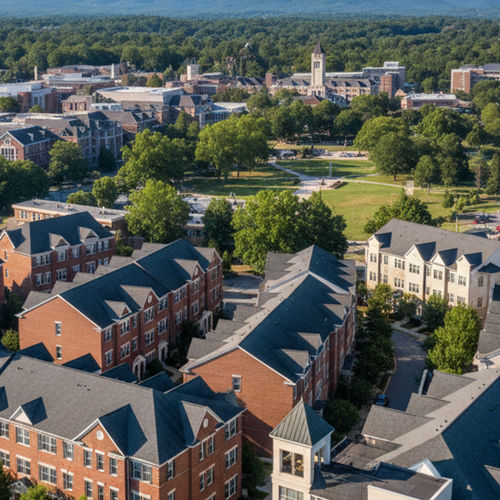
Virginia Tech serves as the primary cultural anchor for the greater Blacksburg community. The university campus is deeply integrated into the local road network, meaning residents regularly interact with campus facilities on their daily commutes. The historic Virginia Tech Drillfield sits at the center of this layout, providing a massive open green space that features significant collegiate gothic architecture.
Beyond the visual appeal of the campus, the university hosts a continuous schedule of public events that shape local weekend plans. The community calendar is heavily subsidized by the presence of the school, bringing in events that typically bypass similar-sized towns. Buyers moving from larger cities are often surprised to find such a dense concentration of arts and entertainment venues within a few miles of residential neighborhoods.
The integration of town and gown means that local residents benefit directly from facilities funded by the university. Public lectures, visiting authors, and international cultural festivals are regular occurrences throughout the academic year. Access to this level of intellectual and cultural stimulation is a major factor for buyers choosing Blacksburg over neighboring municipalities.
Moss Arts Center and Campus Museums
The Moss Arts Center operates as the premier performance venue in the region, featuring an approximate 1,260-seat theater. This facility regularly hosts international symphony orchestras, touring theater productions, and contemporary live music. Having a venue of this caliber locally means residents rarely need to travel to larger cities for high-level cultural events.
In addition to performance spaces, the university maintains several public museums and galleries that add substantial value to the local amenity package. The campus houses extensive natural history and geology exhibits that are open to the public year-round. These facilities provide excellent weekend activities that are completely integrated into the daily fabric of the town.
The visual arts are equally well-represented, with rotating contemporary art exhibitions housed within the center's gallery spaces. These galleries are free to the public and offer a quiet, contemplative activity right on the edge of the downtown district. Proximity to the Moss Arts Center is frequently cited as a major perk by residents living in the adjacent historic neighborhoods.
Lane Stadium and Hokie Athletics
Collegiate athletics dramatically impact the local entertainment landscape, particularly during the fall football season. Games at Lane Stadium, which boasts a capacity of approximately 65,632, transform the entire city into a massive tailgating and entertainment venue. The sheer volume of visitors requires residents to plan their weekend travel carefully during home games.
The athletic culture extends well beyond football, with major basketball venues and Olympic sports facilities hosting events throughout the spring and winter. The logistical impact of these game days provides a massive boost to the local economy, driving revenue for restaurants and local retail. Homes within walking distance of these athletic facilities consistently command a premium in the market, often selling for well over $500,000 depending on the exact proximity and lot size.
For buyers, understanding the game-day traffic patterns is an important part of selecting a home location. Properties located along the primary tailgating corridors experience high visibility and activity during the fall. Conversely, neighborhoods situated further from the stadium offer a more insulated experience while still retaining easy access to the games.
Outdoor Recreation and Parks in Blacksburg
The topography of Montgomery County is defined by rolling hills and steep mountain ridges. The local government has actively integrated this natural landscape into its public park system to preserve the scenic sightlines. Blacksburg maintains an extensive network of municipal parks that offer paved walking paths, athletic fields, and open green spaces.
For more rugged terrain, residents have direct access to regional trail networks that weave through the surrounding mountains. The nearby Catawba Valley and access points to the Appalachian Trail provide world-class hiking just a short drive from the town center. The integration of outdoor recreation into daily life is a major selling point for the region, ensuring property demand remains high.
Access to water recreation is another significant component of the local outdoor lifestyle. Claytor Lake is located a short drive away in neighboring Pulaski County, offering extensive boating, kayaking, and swimming opportunities. The combination of mountain trails and nearby lake access provides residents with year-round outdoor entertainment options.
Navigating the Huckleberry Trail
The Huckleberry Trail is a cornerstone of local recreation, providing an approximate 15-mile paved, multi-use path that connects Blacksburg to neighboring Christiansburg. This trail is heavily utilized by residents for walking, running, and cycling. It represents a significant local investment in pedestrian infrastructure that directly benefits property owners.
Key trailheads are strategically located near major community hubs, including the public library and several local shopping centers. Recent extensions of the trail have successfully integrated newer residential neighborhoods directly with these commercial districts. Buyers frequently request properties with easy access to the Huckleberry Trail, making it a powerful driver of local real estate value.
The trail also serves as a functional commuting route for those who prefer to cycle to the university or downtown. The path is well-maintained year-round, featuring rest areas, distance markers, and scenic bridge crossings. Properties that border the trail or offer immediate access points rarely sit on the market for long.
Pandapas Pond and Jefferson National Forest
Located just a 10 to 15-minute drive from downtown Blacksburg, Pandapas Pond offers a highly accessible escape into nature. This recreation area features a serene pond surrounded by dense forest, providing excellent opportunities for canoeing and fishing. It serves as a popular weekend destination for locals looking to enjoy the outdoors without committing to a full-day excursion.
The pond area also serves as a primary gateway to the vast acreage of the Jefferson National Forest. From here, residents can access the extensive Poverty Creek Trail system, which is renowned locally for its hiking and equestrian routes. Having thousands of acres of protected national forest essentially in your backyard is a rare amenity that significantly elevates the local property landscape.
Mountain biking is particularly popular within this specific trail system, drawing riders from across Southwest Virginia. The well-marked paths offer varying levels of difficulty, ensuring the area is usable for a wide range of skill levels. The proximity of such expansive, uncrowded wilderness is a defining feature of the Blacksburg real estate market.
Shopping and Dining in Downtown Blacksburg
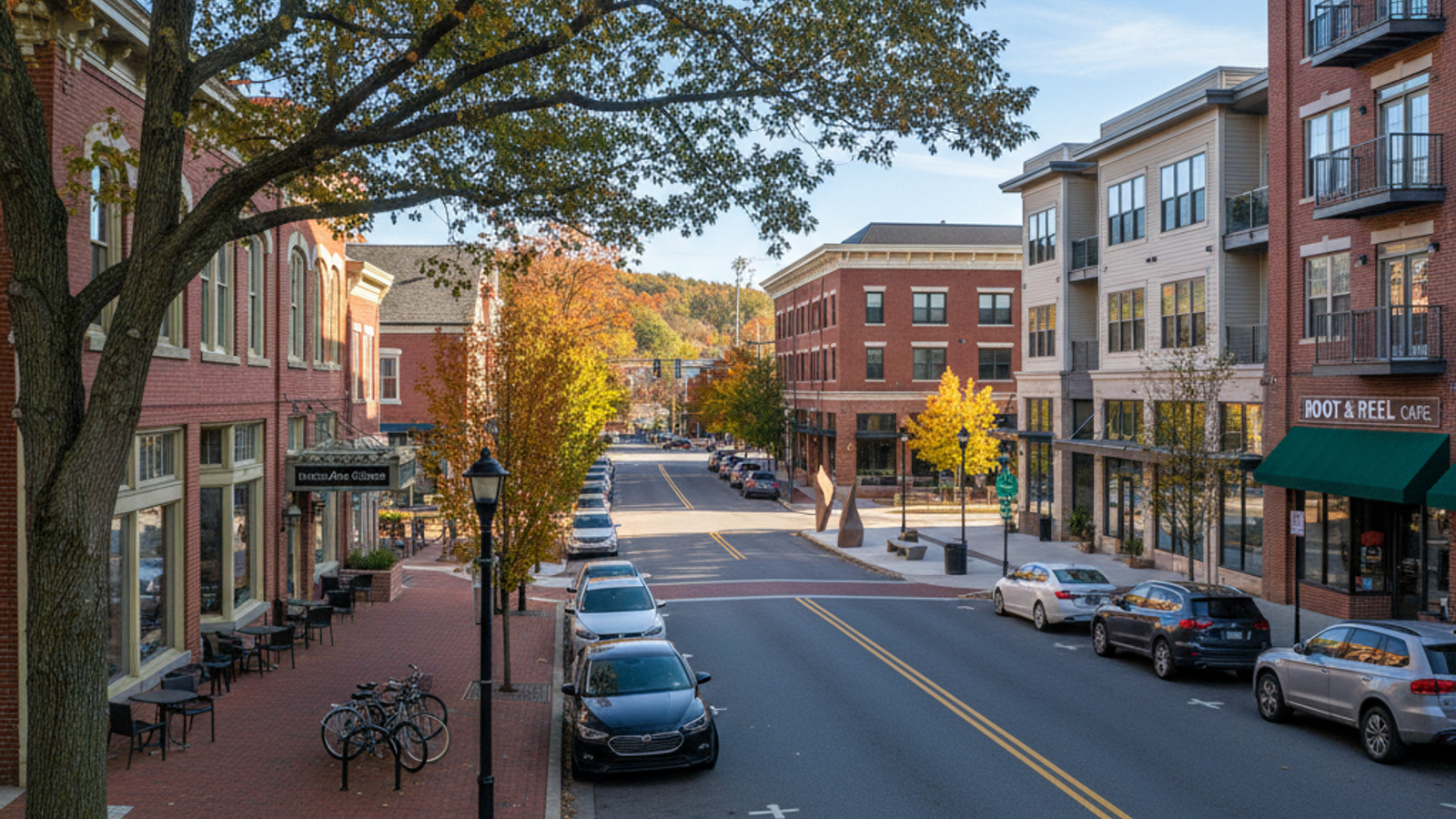
The downtown district of Blacksburg operates as the commercial heart of the city. This area features a high concentration of independent shops, local boutiques, and essential services packed into a few historic blocks. The pedestrian-focused layout encourages residents to park once and walk between multiple destinations.
Dining options in the downtown area are surprisingly diverse for a mountain town, ranging from casual farm breweries to formal dining establishments. The restaurant landscape is highly competitive, resulting in a consistent rotation of high-quality food and beverage concepts. The commercial vitality of downtown is a strong indicator of the overall health of the local real estate market.
Beyond food and retail, the downtown area serves as a gathering space for community events and independent arts. The historic Lyric Theater remains a local mainstay, hosting independent film screenings and community presentations in a beautifully restored venue. Regular vintage markets and artisan vendor events further activate the streetscape, ensuring the downtown district remains a vibrant destination year-round.
The architectural character of downtown blends historic brick facades with newer, mixed-use developments. This aesthetic variety creates a visually engaging environment that appeals heavily to buyers looking for a walkable lifestyle. Living near the downtown core provides the ultimate convenience, though buyers should expect to pay a premium for the location.
Real Estate Context and Local Commutes
The geographic distribution of housing in Blacksburg is heavily influenced by proximity to the university and the downtown commercial core. Properties located near the town center tend to be historic homes or mid-century builds that offer maximum walkability. As you move toward the periphery of the town, the inventory shifts toward newer developments and properties managed by an HOA.
Local transit is primarily anchored by US Route 460, which serves as the main artery connecting Blacksburg to the broader region. This highway facilitates highly efficient travel, keeping the typical local commute time within Blacksburg generally under 15 to 20 minutes. The layout of the town allows residents to navigate between commercial centers and residential zones with relative ease.
The lack of severe traffic congestion is a major advantage for buyers relocating from larger metropolitan areas.
Understanding these commute patterns is essential when evaluating property prices in the current market. Homes that offer both immediate access to US Route 460 and close proximity to local trail networks represent some of the most competitive real estate in Montgomery County. Buyers must weigh their desire for downtown walkability against the appeal of larger lot sizes available slightly further out.
The local market dynamics are also shaped by the ongoing housing demand generated by the university and regional medical centers. This steady influx of buyers ensures that property values remain stable, even as broader national economic conditions fluctuate. Securing a home in Blacksburg requires a clear understanding of how these local amenities impact specific neighborhood pricing.
Frequently Asked Questions About Living in Blacksburg
What are the top attractions in Blacksburg, VA?
The most prominent attractions center around Virginia Tech, including the historic Drillfield and the 1,260-seat Moss Arts Center. Outdoor enthusiasts heavily utilize the 15-mile Huckleberry Trail and the nearby Jefferson National Forest. Downtown Blacksburg also serves as a major draw with its independent restaurants and the historic Lyric Theater.
What is Blacksburg, VA famous for?
Blacksburg is primarily famous for being the home of Virginia Tech and its massive collegiate athletic programs. The city is also widely recognized for its location within the Blue Ridge and Allegheny Mountains. This unique combination of a major research university and premier mountain recreation defines the local identity.
Are there free things to do in Blacksburg this weekend?
Yes, exploring the extensive campus museums and walking the architectural paths of the university are completely free. Residents can also access the local municipal parks or hike the Poverty Creek Trail system without paying admission fees. The downtown area frequently hosts free artisan markets and community events throughout the year.
Check out this article next