


When buyers ask, "is Blacksburg VA good for young professionals," the answer usually comes down to the region's robust employment infrastructure and distinct local lifestyle. Located in the heart of Montgomery County, this area has transformed from a traditional college town into a thriving economic center. The presence of a major research university provides a level of economic stability that is rare for a municipality of its size.
Relocating to the New River Valley requires understanding the specific dynamics of the local real estate market and commuting corridors. Buyers evaluating Blacksburg in 2026 will find a highly competitive housing landscape with distinct property types spread across various neighborhoods. Navigating this market successfully means balancing your budget with your preferred proximity to major employment hubs and transit routes.
Employment Hubs: Virginia Tech and the Corporate Research Center
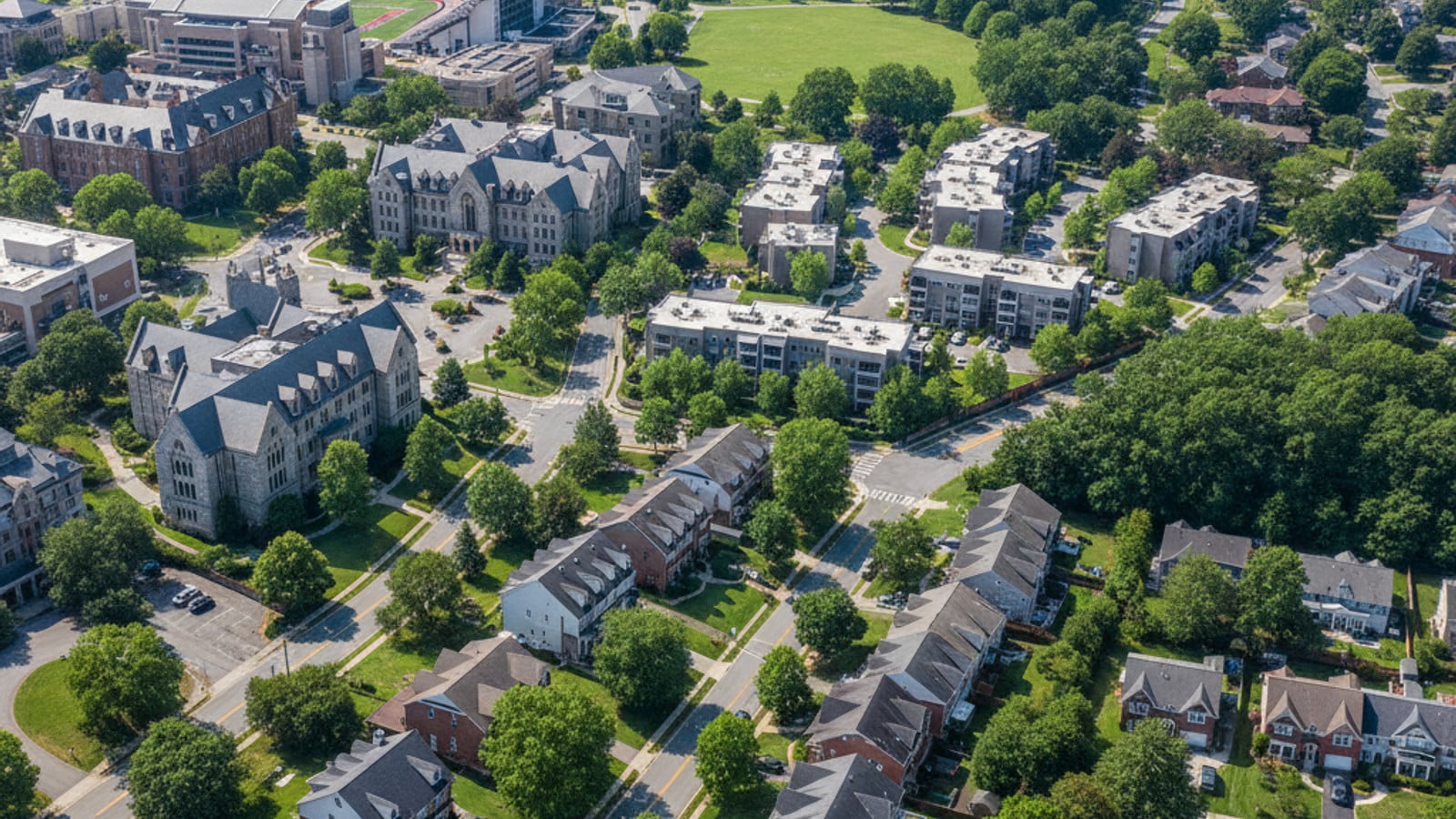
Virginia Tech serves as the primary economic anchor for the entire region. With an enrollment of approximately 37,000 students, the university drives consistent demand for housing, services, and local businesses. This institutional presence creates a highly insulated local economy that resists broader national downturns.
Beyond the university campus, the Virginia Tech Corporate Research Center plays a massive role in regional tech and research growth. The facility hosts numerous private companies and research initiatives, creating a diverse job market that extends well beyond higher education. For remote workers, facilities like the COGro coworking spaces provide professional infrastructure and high-speed connectivity.
The geographic layout of these employment centers makes daily logistics highly manageable. Proximity to the regional corporate airport adds significant convenience for those who travel frequently for business. This combination of local job density and accessible travel infrastructure makes the area a highly practical choice for career advancement.
Blacksburg VA Real Estate Market: Median Home Prices and Property Types
The local housing market remains highly competitive as of early 2026, requiring buyers to act decisively when favorable properties are listed. The median home price currently hovers between approximately $420,000 and $431,000. Homes move quickly here, with the average days on market sitting at roughly 17 to 20 days.
Buyers looking at single-family detached homes will find that properties often command a premium compared to neighboring Roanoke or nearby Christiansburg. While the entry price is higher, these properties typically offer larger lots and immediate access to municipal amenities. Those exploring the rental market can expect average monthly rates around $1,931, which often prompts long-term residents to consider purchasing.
Exploring Townhomes and Condos
For buyers seeking reduced exterior maintenance, townhome and condo communities represent a highly viable segment of the local market. These properties frequently sit within walking distance of the downtown sector and major employers. Average homeowners association fees for condos and townhomes range from $130 to $140 per month in Blacksburg.
These monthly assessments typically cover exterior building maintenance, landscaping, and sometimes community amenities like pools or fitness centers. Choosing a managed community often allows buyers to secure a location closer to the university without the premium price tag of a detached home.
Commuting, Walkability, and Blacksburg Transit Routes
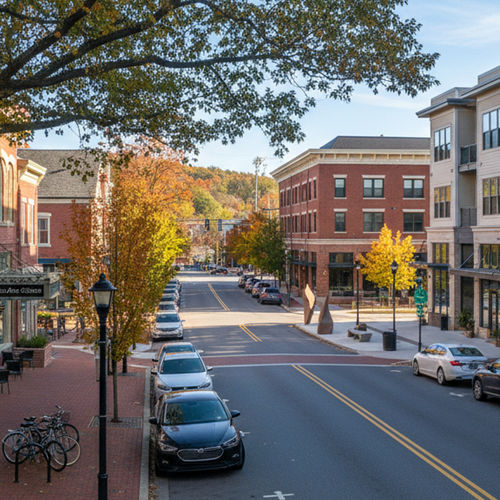
Transportation infrastructure in the New River Valley is surprisingly robust for a non-urban environment. The downtown Blacksburg sector offers excellent walkability, allowing residents to navigate between retail spaces, dining, and employment centers on foot. For broader travel, the Blacksburg Transit system provides extensive coverage across the region.
Blacksburg Transit is currently fare-free for all riders, making it an incredibly practical daily commuting option. The network includes the BT Commuter 240 Route, which seamlessly connects the town to nearby Christiansburg. This connectivity allows residents to easily access larger retail centers and additional employment hubs without relying solely on personal vehicles.
Regional travel is straightforward thanks to direct access to major highway corridors. Roanoke is roughly a 40-minute drive via US-460 W, which accommodates those who commute to the city for work. For air travel, the Roanoke-Blacksburg Regional Airport is about a 35-minute drive, offering daily connections to major national hubs.
Parks, Recreation, and Downtown Blacksburg Amenities
Access to outdoor recreation is a major draw for anyone evaluating real estate in Montgomery County. The Huckleberry Trail stands out as a premier recreational asset, featuring a 5.6-mile paved path that connects Blacksburg to Christiansburg. This trail is heavily utilized by cyclists, runners, and pedestrians for both exercise and alternative commuting.
The area features numerous green spaces, including Heritage Community Park, which offers extensive outdoor programming and open areas. Beyond the immediate municipal parks, the region sits in close proximity to the Jefferson National Forest and the Appalachian Trail. This geographic positioning provides immediate access to world-class hiking and camping just minutes from town.
The downtown sector balances this outdoor access with a dense footprint of dining, shopping, and entertainment venues. The commercial district features locally owned restaurants, boutique retail, and cultural venues that operate year-round. This concentration of amenities creates a vibrant local lifestyle that does not shut down when the academic year ends.
Frequently Asked Questions About Moving to Blacksburg, VA
What is the cost of living in Blacksburg, VA?
The overall cost of living in the area is slightly lower than the national average. However, local housing commands a premium compared to neighboring Roanoke or rural Montgomery County. Buyers should expect real estate prices to reflect the high demand generated by the university and research sectors.
How long is the commute from Blacksburg to Roanoke?
Driving to Roanoke typically takes about 40 minutes via US-460 W under normal traffic conditions. This route is a four-lane divided highway that provides a straightforward, direct connection between the two municipalities. Many residents make this commute daily for employment or specialized medical care.
What are the primary transportation options in Blacksburg?
The fare-free Blacksburg Transit system serves as the primary public transportation network, covering the majority of the town. For regional travel, the BT Commuter 240 Route connects directly to Christiansburg. Residents also rely on extensive paved pathways like the Huckleberry Trail for cycling and walking.
Check out this article next