

If you ask a local to describe Blacksburg, they usually pause for a second. That's because it’s difficult to put this town into a single box. On one hand, living in Blacksburg VA means being plugged into the high-energy current of Virginia Tech, with all the innovation and excitement that comes with a major research university. On the other hand, it’s a quiet, scenic mountain town tucked into the Blue Ridge foothills, where the pace slows down the moment you step off campus.
We like to call it the "Creative Village." It attracts a unique mix of people—tenured professors, software engineers working at the Corporate Research Center, and retirees looking for a walkable, intellectually stimulating place to settle down. It’s not just a four-year stopover for students; it’s a permanent home for thousands who love the distinct seasons and the community vibe.
The town has a rhythm that you have to get used to. When the semester is in full swing, the energy is palpable and the coffee shops are packed. In the summer and winter breaks, the town exhales. It becomes quiet, traffic disappears, and the locals reclaim the patios. If you are considering moving to Blacksburg VA, you’re looking at a place that offers the amenities of a city three times its size, wrapped up in a small-town package.
Pros and Cons of Living in Blacksburg
Before you pack the moving truck, it’s important to look at the tradeoffs. No place is perfect, even if the New River Valley comes close on a crisp autumn day.
The Upside: The biggest draw here is the community itself. You are surrounded by a highly educated population, which translates into great support for local arts, a stable economy, and a very low crime rate. You also have access to the Blacksburg Transit (BT) system, which wins national awards for its efficiency—something rare for a town of this size.
Culturally, you punch way above your weight class here. Between the Moss Arts Center bringing in global acts and the independent cinema at The Lyric, there is always something to do. Plus, for outdoor lovers, having the Huckleberry Trail running right through town makes biking and walking part of your daily commute rather than just a weekend hobby.
The Tradeoffs: The popularity of the area has a cost. The housing market is competitive and pricey compared to the rest of Southwest Virginia. You also have to accept the "College Town Bubble." While amenities are great, the economy is heavily reliant on the university, and the rental market is dominated by student housing, which can inflate prices.
Also, we have to talk about traffic. Most days, getting around is a breeze. However, on Virginia Tech game days or during graduation, the town effectively shuts down. If you live near Lane Stadium, you learn to just park your car and stay home on those Saturdays.
Cost of Living in Blacksburg: What to Expect in 2026
Let’s talk numbers. As of early 2026, the overall cost of living in Blacksburg VA is hovering slightly below the national average—usually about 4-5% lower. However, that number can be misleading because housing is a significant outlier compared to groceries or utilities.
The Housing Reality: Inventory is tight. Because we have a steady influx of academic staff, medical professionals, and tech workers, demand almost always outstrips supply. As of early 2026, the median home price range is sitting between $400,000 and $450,000. If you are coming from Northern Virginia or the West Coast, that might look like a bargain. If you are moving from rural Virginia, it will feel like a premium.
Rent vs. Buy: The rental market here is tricky. The average rent is hovering around $2,100 per month, but that number is skewed high by luxury student apartment complexes that rent by the bedroom. For professionals, finding a standalone single-family rental can be difficult. Buying is competitive, but it generally offers better long-term value and stability than fighting for a lease in a student-heavy market.
Utilities and Taxes: The good news is that once you secure housing, the monthly bills are reasonable. Property taxes in Montgomery County are moderate—significantly lower than what you’d find in the DC metro area.
Best Neighborhoods & Residential Areas
One of the most common questions I get is, "Where do the non-students live?" While students are everywhere, there are distinct neighborhoods that offer a quieter, more residential atmosphere.
- Hethwood: This is a massive master-planned community that feels like its own village. It has miles of walking trails, ponds, and a mix of apartments, townhomes, and single-family houses. It’s very popular for residents who want amenities and don't mind a mix of neighbors.
- Wyatt Farm: If you want space, this is a top pick. You’ll find larger lots, mature landscaping, and a very quiet atmosphere here. It’s strictly residential, so you’ll need a car, but it feels worlds away from the campus hustle.
- Downtown / Miller Southside: This is the "historic charm" section. It’s highly walkable to the library, market, and campus. Prices here are at a premium because of the location and the character of the older homes.
- McBryde Village: This area is filled with 1960s and 70s ranch-style homes. It’s often more affordable than the new construction on the outskirts and is incredibly convenient to campus and shopping.
- Woodbine: This neighborhood strikes a nice balance. It has mature trees and larger lots like the suburbs, but it’s close enough to town to feel connected. It’s a very established area with low turnover.
Education: Schools and Universities
Education is the heartbeat of this town. It’s not just about the college students; the emphasis on learning trickles down to everything.
K-12 Schools: The area is served by Montgomery County Public Schools (MCPS). Because of the university influence, the local schools, particularly Blacksburg High School, are well-resourced and often rank highly within the state. The parent community is very involved, which supports a strong academic environment.
Higher Education & Lifelong Learning: Obviously, Virginia Tech is the centerpiece. But for residents, this means more than just football. It means access to community classes, public lectures, and extension programs. There is a strong culture of lifelong learning here; it is very common to see retirees auditing classes or attending science festivals at the university.
Job Market & Economy
While it’s true that Virginia Tech is the economic engine of the region, it’s not the only game in town. Over the last decade, Blacksburg has quietly morphed into a legitimate tech hub.
The Corporate Research Center (CRC) is a massive complex adjacent to the airport that hosts a cluster of technology, biotech, and aerospace firms. Companies like Moog have a presence here, along with dozens of startups spinning out of university research.
Healthcare is another major pillar, with LewisGale Hospital Montgomery and a wide network of specialists serving the New River Valley. For retail and service jobs, the steady stream of students ensures that business stays consistent year-round. It is also worth noting that many residents live in Blacksburg but commute to Roanoke (about 45 minutes away) or Christiansburg for work, taking advantage of the wider regional job market while keeping the Blacksburg lifestyle.
Getting Around: Transit and Commuting
If you hate driving, you might actually like it here. For a town in the mountains, the transportation infrastructure is surprisingly robust.
Blacksburg Transit (BT): This isn't your average small-town bus service. The BT runs frequently, covers the entire town, and is clean and reliable. It’s free for anyone with a VT ID and very affordable for the public. Many locals use it to get to the grocery store or downtown to avoid parking hassles.
Active Commuting: The Huckleberry Trail is the spine of the town’s non-motorized transport. It connects Blacksburg to the neighboring town of Christiansburg and the mall. On any given morning, you will see professionals cycling to work on the trail alongside joggers. Downtown is highly walkable, though if you choose neighborhoods like Wyatt Farm, you will likely rely on a car.
Regional Travel: For longer trips, the Smart Way Bus offers a reliable connection to Roanoke and the Amtrak platform. The nearest flight hub is the Roanoke-Blacksburg Regional Airport (ROA), which is an easy 40-45 minute drive.
Lifestyle: Weather, Outdoors, and Culture
Life in Blacksburg VA is defined by being outside. Situated in the New River Valley , we get four distinct seasons.
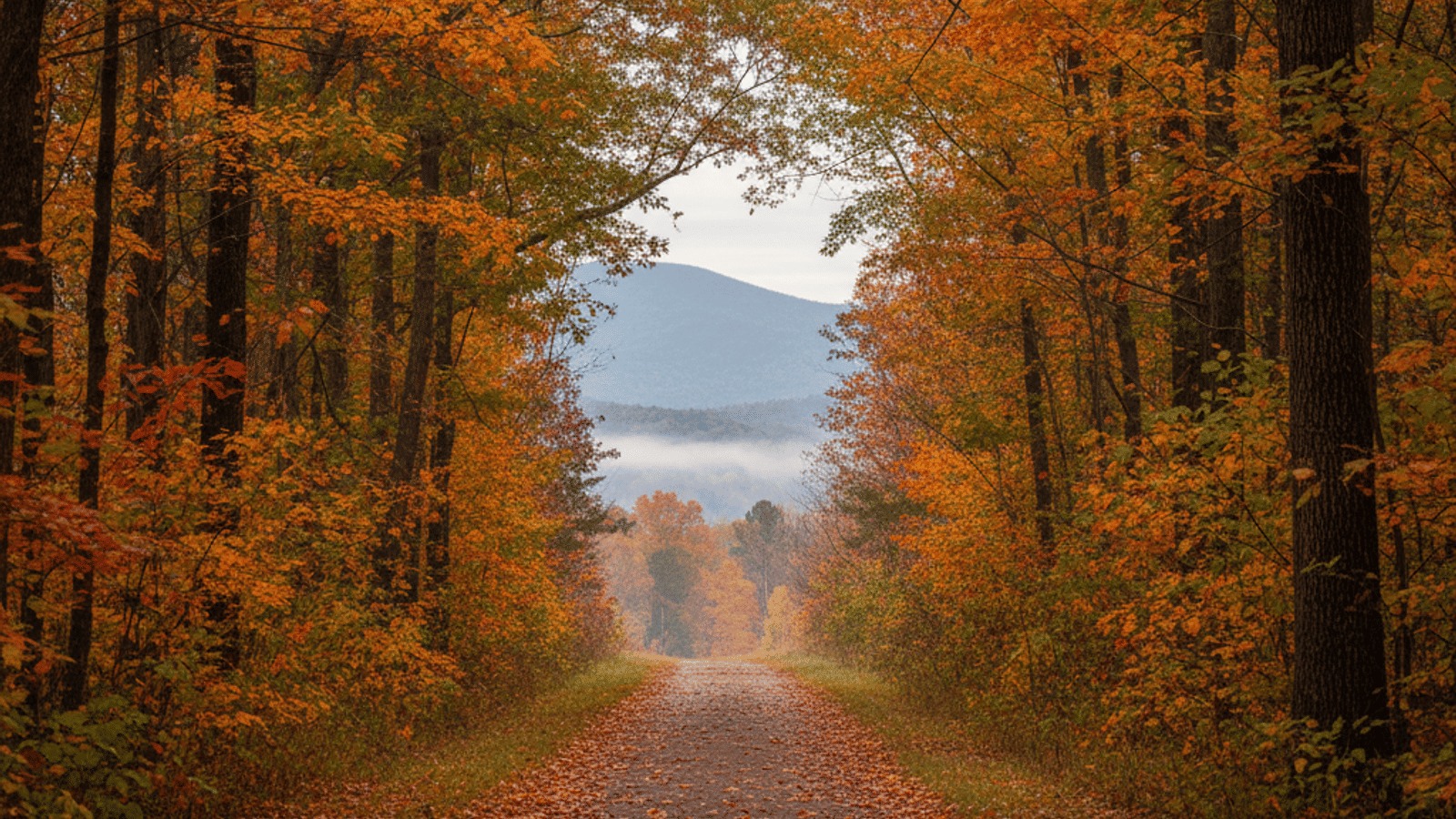
The Climate: Summers here are warm and humid, but usually a few degrees cooler than the deep South thanks to the elevation. Fall is spectacular—the Blue Ridge Mountains turn deep orange and red. Winters are real. You can expect about 24 inches of snow a year. It’s not the arctic, but you will need a shovel and a good pair of boots. The town clears the trails quickly, though, so the snow rarely stops life for long.
Outdoor Recreation: On the weekends, locals head to the Cascades for hiking or go tubing on the New River. The proximity to the Appalachian Trail means serious hikers are in paradise.
Culture and Events: The town punches above its weight in culture, too. The Moss Arts Center is a state-of-the-art venue that hosts symphonies, modern dance, and theater. The annual Steppin' Out Festival in August takes over downtown with music, food, and crafts. And of course, there are the Saturday Farmers Markets, which run year-round and serve as the town’s social square.
Frequently Asked Questions
Is Blacksburg VA expensive to live in?
Compared to the surrounding rural Southwest Virginia region, yes, Blacksburg carries a premium, especially in housing costs. However, compared to national averages or major metros like Northern Virginia, the overall cost of living is moderate, and property taxes are reasonable.
What is the winter like in Blacksburg VA?
You will experience a true winter here with freezing temperatures and snow. We typically get around two feet of snow per season, so it’s important to have all-season tires and warm clothing, but it rarely shuts the town down for more than a day.
Is Blacksburg a good place to retire?
Yes, it is very popular with retirees who want a walkable town with cultural amenities and good healthcare. The "active adult" community is growing here because of the access to the university's lifelong learning programs and the flat, paved Huckleberry Trail.
How far is Blacksburg from Roanoke?
Blacksburg is about 40 to 45 minutes from Roanoke by car via Interstate 81. This makes it easy to access the larger airport, mall, and additional medical specialists in Roanoke while living in the college town atmosphere.
Do I need a car in Blacksburg?
If you live near downtown or along a main bus route, you can get by without a car thanks to the award-winning Blacksburg Transit system. However, for grocery shopping in the outer neighborhoods or exploring the Blue Ridge Mountains on weekends, a car is very helpful.
Check out this article next