


Buyers looking at homes for sale in southwest Virginia often find themselves weighing the distinct advantages of Blacksburg and Salem. These two municipalities anchor different parts of the Roanoke and New River valleys, offering contrasting housing markets and local amenities.
Deciding between the two comes down to balancing your budget, commute tolerance, and preferred municipal infrastructure. While one is defined by a massive tier-one research university, the other operates as a self-contained independent city with deep industrial roots.
Understanding the nuances of property values, local taxes, and transit routes is essential before making an offer. This guide breaks down the objective data you need to compare these two prominent Virginia markets.
Blacksburg vs Salem Real Estate Market Comparison
The housing inventory in both locations reflects their unique economic drivers and municipal histories. Buyers will immediately notice a notable price gap when touring properties across both areas.
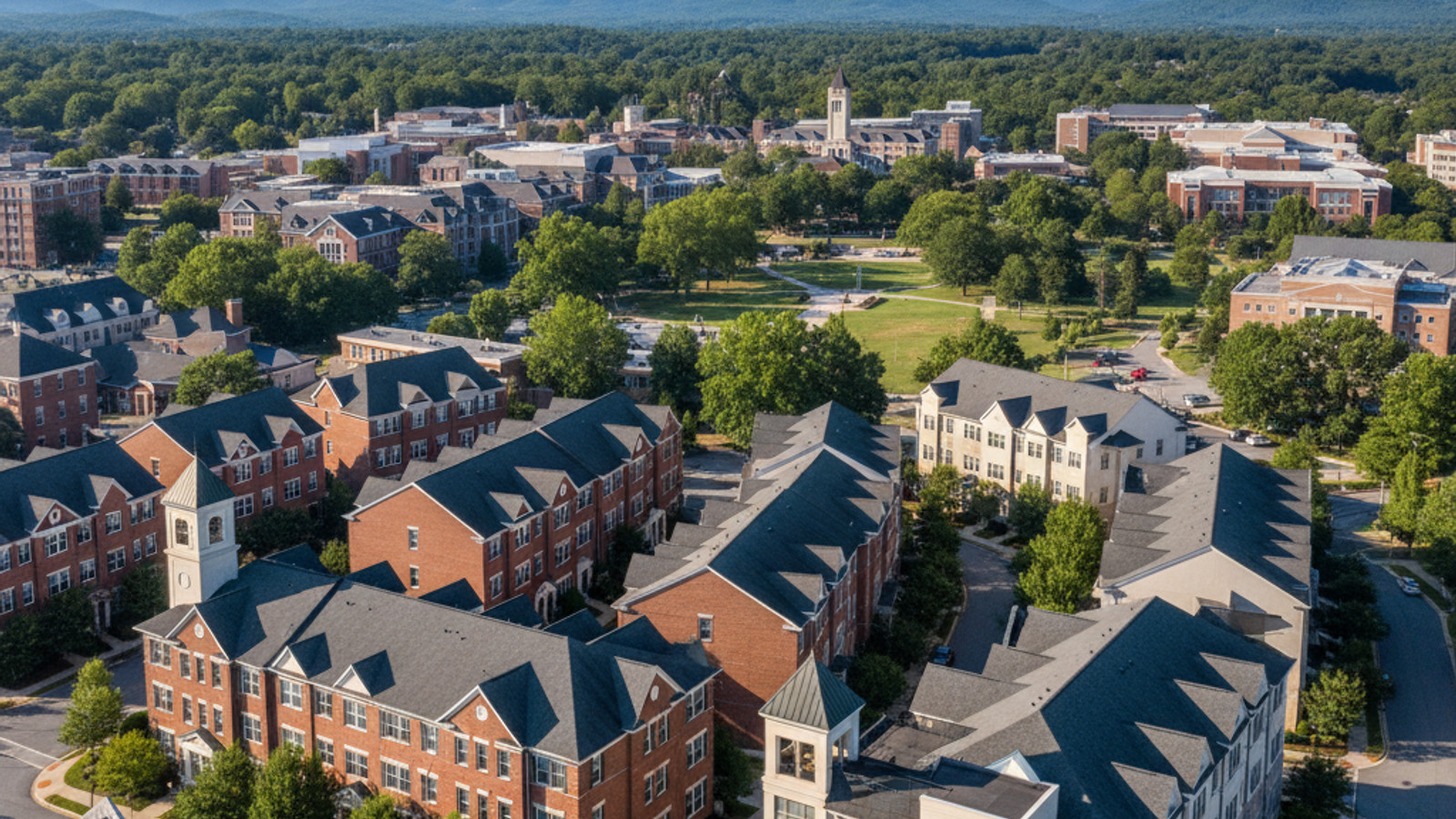
Blacksburg carries a higher barrier to entry, with median home prices hovering around $356,000. This market is heavily influenced by the constant housing demand generated by the university population. You will find a dense concentration of multi-family properties, townhouses, and condos designed to absorb this constant influx of residents.
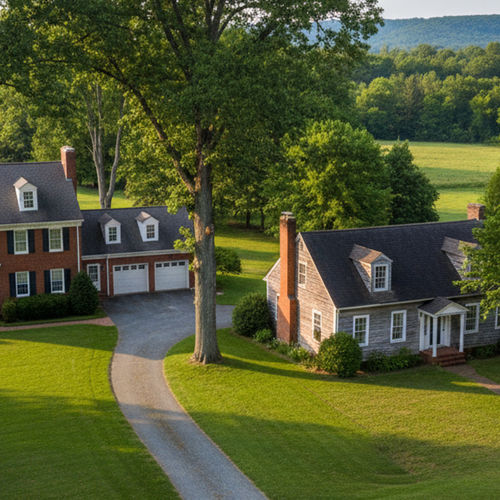
Salem offers a more approachable price point, featuring median home prices between $300,000 and $325,000. The inventory here leans heavily toward traditional single-family homes on larger lots, with fewer high-density condo developments. For buyers focused strictly on maximizing square footage per dollar, Salem clearly wins the affordability category.
Property Taxes and Ownership Costs
Purchasing a home involves more than just the sticker price, and understanding local tax structures is critical for calculating your monthly payment. Blacksburg residents pay a combined town and Montgomery County property tax rate of roughly $1.02 per $100 of assessed value.
Salem operates as an independent city, meaning residents pay a single consolidated tax rate of approximately $1.18 to $1.20 per $100 of assessed value. While Salem has a lower median home price, the slightly higher tax rate means buyers need to run the exact math on their final annual tax bill. Homeowners in newer Blacksburg condo communities should also factor in mandatory HOA fees, which can quickly offset any property tax savings.
Economy and Local Employment
The economic foundations of these two municipalities dictate the rhythm of daily commerce and local job opportunities. Both areas maintain strong employment numbers, but they rely on entirely different primary industries.
Virginia Tech operates as the undisputed economic engine of Blacksburg. The university provides thousands of direct jobs in education, administration, and research, while also supporting a vast network of local service businesses. Living in Blacksburg means participating in a local economy that swells and contracts with the academic calendar.
Salem features a highly diverse commercial sector anchored by manufacturing, logistics, and healthcare. The city hosts numerous production facilities and corporate offices that provide stable year-round employment independent of a university schedule. The distinct advantage of Salem is its economic independence combined with immediate proximity to the broader Roanoke metropolitan job market.
Commute Times and Regional Transit Routes
Transportation infrastructure drastically separates the daily experience of living in these two locations. Buyers commuting to major regional employment centers must carefully weigh the driving distances.
Salem sits directly adjacent to Roanoke, making it incredibly convenient for regional commuters. Driving from Salem to downtown Roanoke takes roughly 10 to 15 minutes via US-460 or Interstate 81. This short distance allows residents to easily access the Roanoke-Blacksburg Regional Airport and major downtown corporate offices without spending hours in transit.
Navigating from Blacksburg to Roanoke requires a much longer commitment. Commuters can expect a 40 to 45-minute drive via I-81 North, which is a major freight corridor susceptible to heavy traffic. If your primary employment is based in the Roanoke core, choosing Blacksburg will add roughly an hour and a half of total driving time to your daily routine.
Recreational Amenities and Local Facilities
Both municipalities invest heavily in public infrastructure, offering residents excellent access to outdoor recreation and event venues. The type of amenities available, however, varies significantly based on the local geography and municipal planning.
Blacksburg integrates its public spaces heavily with the university campus and surrounding Appalachian landscape. The area is famous for expansive paved walking paths and major collegiate athletic venues.
Salem takes pride in its independent municipal complexes and sprawling regional parks. The city hosts numerous large-scale events and athletic tournaments throughout the year.
Buyers prioritizing major athletic events and paved cycling routes will naturally gravitate toward Blacksburg, while those seeking large municipal parks and civic festivals will find Salem more accommodating. Here is a breakdown of prominent local features:
Blacksburg: Features the popular Huckleberry Trail for extensive cycling and running, along with direct access to Lane Stadium for major collegiate sports events.
Salem: Highlights include the Salem Civic Center for concerts and conventions, as well as Green Hill Park for expansive riverfront recreation.
Regional Access: Both locations offer short drives to the Blue Ridge Parkway and the Appalachian Trail for weekend hiking.
Frequently Asked Questions About Blacksburg and Salem Real Estate
Which city has a lower property tax rate, Blacksburg or Salem?
Blacksburg generally offers a lower property tax rate. Residents pay a combined town and county rate of roughly $1.02 per $100 of assessed value. In contrast, Salem operates as an independent city with a consolidated rate of approximately $1.18 to $1.20 per $100.
How long is the commute from Blacksburg to Roanoke?
The commute from Blacksburg to downtown Roanoke takes approximately 40 to 45 minutes under normal conditions. This route primarily utilizes Interstate 81 North, which serves as a major commercial transit corridor. Drivers should always account for potential delays during peak travel hours or inclement weather.
Are there more condos available in Blacksburg or Salem?
Blacksburg features a significantly higher inventory of condos and townhouses. This dense multi-family housing development is directly driven by the need to accommodate the large university population. Salem focuses much more heavily on traditional single-family homes with larger individual lots.
Check out this article next